Discover the Top Advantages of Choosing Memory Care Homes for Your Liked Ones
Picking the right take care of enjoyed ones encountering memory challenges is essential. Memory Care homes provide one-of-a-kind advantages that can significantly enhance their top quality of life. These facilities are made to supply safety, specialized programs, and compassionate Care. They likewise promote social interaction and community interaction. Comprehending these advantages can aid households make informed choices. What certain features should family members think about when examining memory Care alternatives?
Boosted Safety Functions
While households often stress over the safety and security of their liked ones with memory disabilities, memory Care homes are created with boosted safety and security and safety features that offer assurance. These facilities normally include secure access and departure factors to prevent residents from straying, a common problem amongst people with dementia. Additionally, the layout of memory Care homes is typically instinctive, reducing the risk of confusion and mishaps. Team member are educated to check homeowners carefully, guaranteeing immediate help in case of emergencies.Moreover, these homes are furnished with safety attributes such as grab bars, non-slip flooring, and well-lit hallways to lessen the risk of falls. Emergency situation feedback systems are likewise in position, permitting for quick action should a clinical issue emerge. Collectively, these measures produce a safe setting where locals can engage and grow, minimizing the worries of their households.
Specialized Memory Care Programs
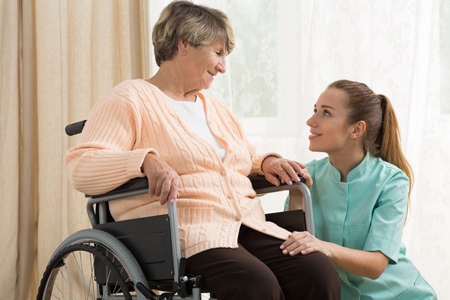
Specialized memory Care programs are made to satisfy the special needs of people with cognitive problems, such as Alzheimer's illness and various other forms of mental deterioration. These programs concentrate on providing organized settings that promote cognitive interaction and boost the lifestyle for citizens. Activities are customized to promote memory, urge social communication, and foster emotional wellness. Many memory Care homes include therapeutic strategies, including songs and art therapy, to aid individuals reveal themselves and get in touch with their past. In addition, these programs typically use customized Care plans that take into consideration each local's background, preferences, and capabilities, guaranteeing customized support.Family involvement is also encouraged, permitting loved ones to take part in activities or share purposeful experiences. By attending to the specific challenges dealt with by those with memory impairments, specialized memory Care programs play a considerable role in preserving self-respect and promoting a sense of belonging for citizens.
Educated and Thoughtful Team
The effectiveness of specialized memory Care programs considerably depends on the existence of caring and skilled team who comprehend the intricacies of cognitive problems - personalized memory care. These specialists have specialized training in handling conditions such as Alzheimer's condition and other kinds of dementia. Their expertise enables them to recognize the distinct demands of citizens and respond properly to challenging behaviors.Compassionate personnel members produce a nurturing setting that cultivates trust fund and convenience for people dealing with amnesia. They utilize persistence and empathy, making sure that citizens feel valued and recognized. This psychological assistance is important, as it can considerably improve the high quality of life for those in memory Care homes.Furthermore, the commitment of experienced personnel permits personalized Care strategies tailored to every citizen's choices and history. This customized technique not only help in day-to-day living however also advertises a sense of dignity and regard for citizens
Structured Daily Routines
Structured daily regimens play an essential duty in advertising stability and safety and security for residents in memory Care homes. These regimens help produce a foreseeable environment, which can substantially decrease stress and anxiety and complication among people with memory problems. By adhering to a consistent timetable of activities, such as dishes, workout, and personal Care, homeowners can better expect what to expect throughout their day.Moreover, structured regimens assist in cognitive involvement and physical well-being. Tasks are commonly developed to boost memory and promote cognitive function while making sure that residents preserve their physical wellness through routine activity. This consistent structure permits caregivers to keep track of progression and adapt tasks to meet the advancing needs of each resident.In addition, daily regimens foster a feeling of freedom and purpose, motivating citizens to get involved actively in their Care. On the whole, organized daily routines are a vital part of memory Care that substantially improves the lifestyle for citizens.
Social Communication and Area Engagement
Participating in social interaction and area tasks is vital for locals in memory Care homes, enhancing the security offered by organized everyday regimens. These atmospheres promote connections among residents, encouraging relationships and reducing sensations of isolation. Routine social engagement helps maintain cognitive feature and psychological well-being, developing a feeling of belonging.Memory Care homes commonly organize group activities, such as arts, crafts and video games, and communal dishes, which advertise interaction and cooperation. This not just enhances locals' lives but additionally gives them chances to share experiences and reminisce, boosting their feeling of identity.Moreover, the existence of personnel learnt memory Care assurances that activities are customized to the citizens' choices and capabilities, making the most of engagement. small memory care homes Charlotte. By supporting social bonds and community participation, memory Care homes play a crucial role in improving the general quality of life for people living with memory obstacles
Access to Restorative Activities
Access to therapeutic activities in memory Care homes plays a vital role in improving locals' well-being. These programs usually include involving social communications, individualized activity strategies, and cognitive stimulation that satisfy specific needs. By fostering an environment abundant in tailored experiences, memory Care homes can substantially improve the high quality of life for their residents.
Engaging Social Interactions
While lots of variables contribute to the well-being of individuals in memory Care homes, the availability of restorative activities plays a crucial role in cultivating social communications. Involving in structured tasks such as art courses, songs treatment, and team games urges locals to attach with each other, reducing feelings of seclusion and isolation. These communications not just boost psychological well-being yet also boost cognitive feature, as individuals share experiences and talk. Additionally, team tasks provide chances for locals to establish friendships, producing a feeling of neighborhood and belonging. By advertising normal social involvement, memory Care homes aid people preserve a higher quality of life, enabling them to thrive in an encouraging, interactive atmosphere customized to their distinct requirements.
Individualized Task Plans
Individualized activity strategies are fundamental in memory Care homes, as they assure that each resident takes part in restorative activities customized to their cognitive levels and individual passions. These plans are established by qualified personnel that assess each citizen's preferences and abilities, making certain that tasks advertise engagement and joy. small memory care homes Charlotte. Tasks might include crafts and arts, music treatment, gardening, or mild exercise, all developed to promote cognitive feature while providing emotional assistance. By integrating acquainted regimens and leisure activities, citizens frequently experience enhanced joy and a sense of purpose. Additionally, tailored task intends foster socializing amongst homeowners, boosting their total health. This individualized strategy not just enriches life however likewise helps maintain a feeling of identity and link to the past
Cognitive Stimulation Programs
Cognitive stimulation programs play an essential duty in memory Care homes, offering homeowners structured chances to engage in restorative tasks that boost cognitive feature. These programs are made to promote memory, interest, and analytic abilities through various interesting tasks, such as challenges, games, and art jobs. Furthermore, they promote social communication, allowing homeowners to get in touch with peers and caregivers, which can minimize feelings of isolation. Normal involvement in these activities has been shown to slow down cognitive decrease and boost overall well-being. Memory Care homes often tailor these programs to private abilities, ensuring that each local can enjoy satisfying and meaningful experiences. Inevitably, cognitive stimulation programs offer as a vital part of alternative Care, cultivating psychological interaction and improving top quality of life.
Family Members Support and Resources
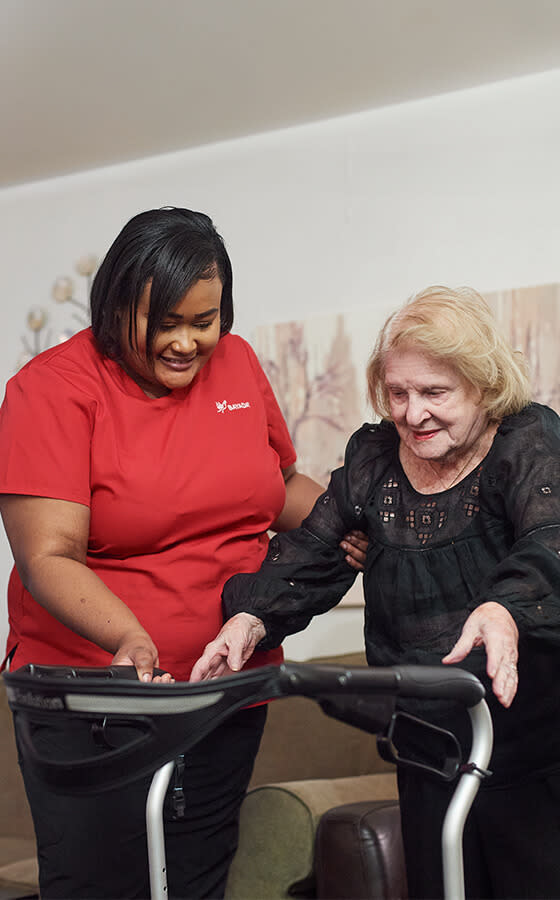
As family members browse the difficulties of taking care of a liked one with memory problems, accessibility to sustain and resources becomes necessary for both psychological and sensible aid. Memory Care homes frequently supply a riches of resources aimed at assisting households deal with the intricacies of their enjoyed ones' conditions. These centers generally provide educational programs, support teams, and therapy solutions created to equip household members.Additionally, memory Care homes frequently help with interaction in between team and households, guaranteeing that relatives stay notified regarding their liked one's progress and Care strategies. This level of openness cultivates trust and enhances familial bonds. Furthermore, many memory Care homes provide info regarding nationwide and regional organizations that supply extra resources, such as reprieve Care services, economic planning, and lawful guidance. By making use of these support systems, households can much better handle the psychological and practical demands of caregiving, eventually enhancing the general wellness of both the specific and their loved ones.
Often Asked Inquiries
How Do Memory Care Homes Differ From Assisted Living Facilities?
What Is the Typical Price of Memory Care Homes?
The typical cost of memory Care homes varies commonly, commonly ranging from $4,000 to $8,000 monthly. Elements affecting costs include area, solutions supplied, and the level of Care needed for residents.
Can Citizens Bring Personal Belongings to Memory Care Homes?
Citizens are usually allowed to bring personal possessions to memory Care homes, cultivating a feeling of experience. Nonetheless, standards vary by center, and personnel often advise products that enhance comfort and security for the person.
Exactly How Is Medicine Taken Care Of in Memory Care Homes?
Drug management in memory Care homes typically includes trained team administering suggested medicines, checking does, and making certain conformity. Regular evaluations assist readjust therapies based upon individual needs, promoting safety and wellness for residents with cognitive impairments.
What Should I Search for When Exploring a Memory Care Center?
When visiting a memory Care center, one must analyze security features, team certifications, resident engagement tasks, cleanliness, and general ambience. Observing communications among team and citizens can reveal the quality of Care provided. While family members commonly fret about the safety and security of their enjoyed ones with memory problems, memory Care homes are developed with improved safety and protection functions that offer tranquility of mind. Personalized activity plans are basic in memory Care homes, as they assure that each resident takes part in therapeutic activities customized to their cognitive levels and individual interests. Cognitive stimulation programs play an important function in memory Care homes, supplying residents structured chances to involve in healing activities that boost cognitive function. These facilities commonly use educational programs, assistance teams, and counseling services made to encourage family members members.Additionally, memory Care homes regularly help with communication between personnel and households, guaranteeing that family members remain notified regarding their liked small memory care homes Charlotte one's development and Care plans. Many memory Care homes supply information regarding neighborhood and nationwide companies that provide additional resources, such as respite Care solutions, economic planning, and legal guidance.
Comments on “How small memory care homes Charlotte Create a Sense of Belonging for Dementia Patients”